

Sustainability
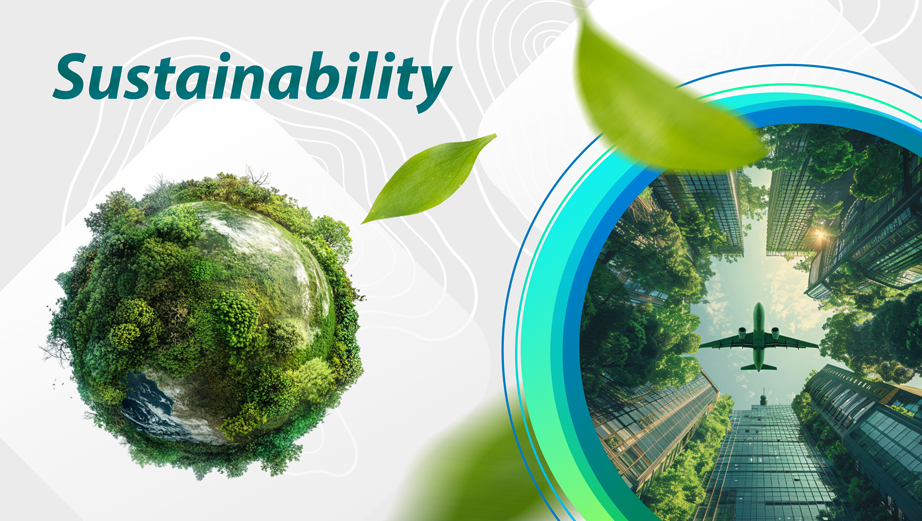
The Heating, Ventilation, Air Conditioning, and Refrigeration (HVAC-R) sector has a profound and dual-edged impact on sustainability. While it is a major contributor to global energy consumption and greenhouse gas emissions, it is also at the forefront of solutions for a more sustainable future.
Here is a breakdown of its key impacts, focusing on the positive transformations underway.
⚡ The Environmental Challenge
HVAC-R systems are responsible for a significant portion of the world’s electricity use and carbon footprint. Their environmental impact is generally understood through two main factors:
-
Indirect Emissions: This refers to the greenhouse gases released from generating the electricity needed to power HVAC-R systems.
-
Direct Emissions: This refers to the potent greenhouse gases released when refrigerants leak from the systems. Many traditional refrigerants have a high Global Warming Potential (GWP), meaning they are thousands of times more damaging to the climate than carbon dioxide.
🌿 The Path to Sustainability
The industry is actively transforming itself through several key strategies:
-
A Refrigerant Revolution: The biggest change is the global phase-down of high-GWP hydrofluorocarbons (HFCs), mandated by the Kigali Amendment to the Montreal Protocol. This has accelerated the search for and adoption of low-GWP alternatives, including:
-
Natural Refrigerants: like propane (R-290), ammonia (R-717), and carbon dioxide (R-744).
-
New Synthetic Refrigerants: like hydrofluoroolefins (HFOs).
-
Hybrid Solutions: such as the R290-microchannel system, which has shown impressive efficiency improvements, including a 25% increase in Coefficient of Performance (COP).
-
-
Focus on Energy Efficiency: Reducing the energy a system consumes is critical, and innovations are delivering substantial gains:
-
Smart Technologies: The integration of AI, IoT, and machine learning enables real-time optimization, predictive maintenance, and intelligent energy management, often leading to significant energy savings.
-
Advanced Designs: Using variable-speed compressors and advanced heat exchangers (like microchannel condensers) boosts efficiency. A study showed that advanced cycles using new refrigerants can improve annual energy consumption by over 14%.
-
-
Embracing the Full Lifecycle: Sustainability goes beyond just the unit itself.
-
Proper Maintenance: Systems degrade over time; corrosion can increase their total emissions by 6% to 27%. Proper maintenance and corrosion protection can reduce a system’s lifecycle emissions by 6% to 10%.
-
Smart Building Integration: New systems are designed to be part of a larger, smarter infrastructure. They can interact with the electrical grid and respond to demand, optimizing energy use across entire buildings.
-
⚖️ A Complex Balancing Act
Transitioning to sustainable HVAC-R involves navigating complex trade-offs. For example, while a new low-GWP refrigerant might be better for the climate, it could be flammable or toxic, requiring different safety measures. Similarly, replacing an older refrigerant with a newer one can sometimes create a trade-off between reducing global warming potential and increasing local health risks. The industry must therefore evaluate not just the GWP of a refrigerant, but its entire lifecycle impact.
💡 Looking Ahead
The HVAC-R industry is central to achieving global climate goals. The U.S. Department of Energy recognizes modern, efficient systems as key to reducing operational costs and environmental impact. With the market projected to reach USD 750.78 billion by 2035, the focus on innovation, from smart controls to natural refrigerants, positions HVAC-R as a cornerstone of smart, sustainable infrastructure.